
Clinical Whole Slide Imaging
E1000 Dx Digital Pathology Solution
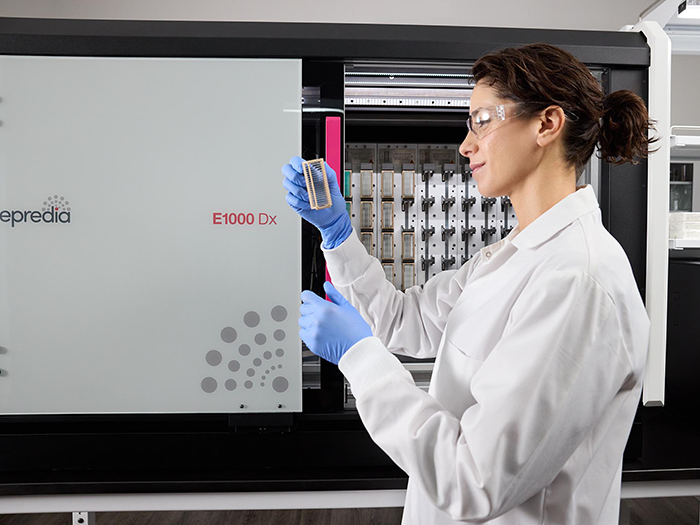
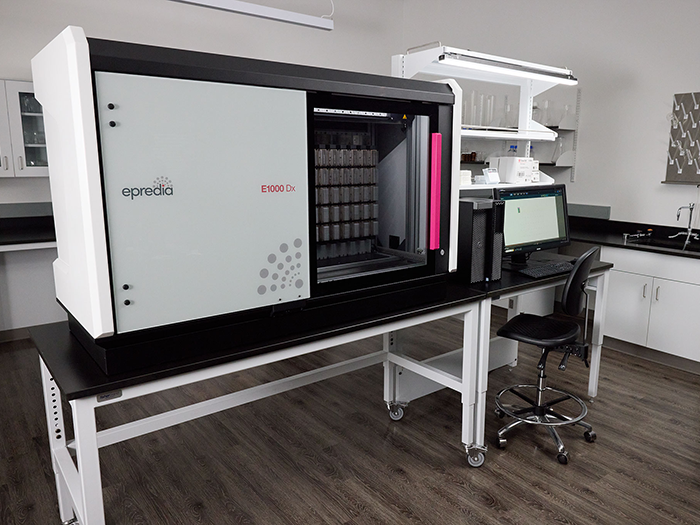
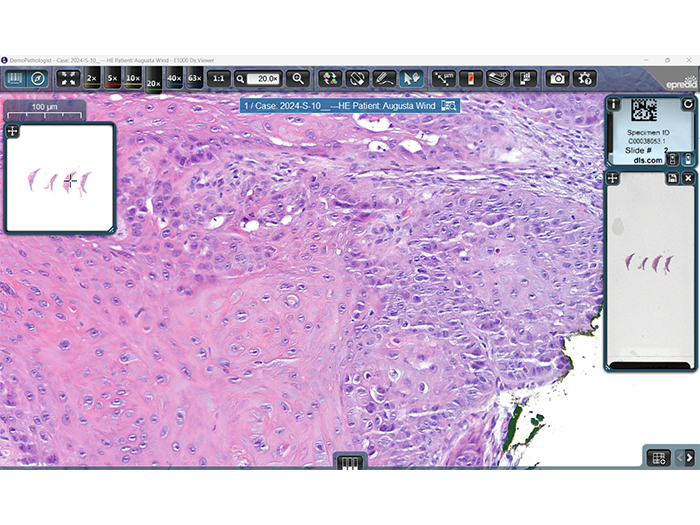
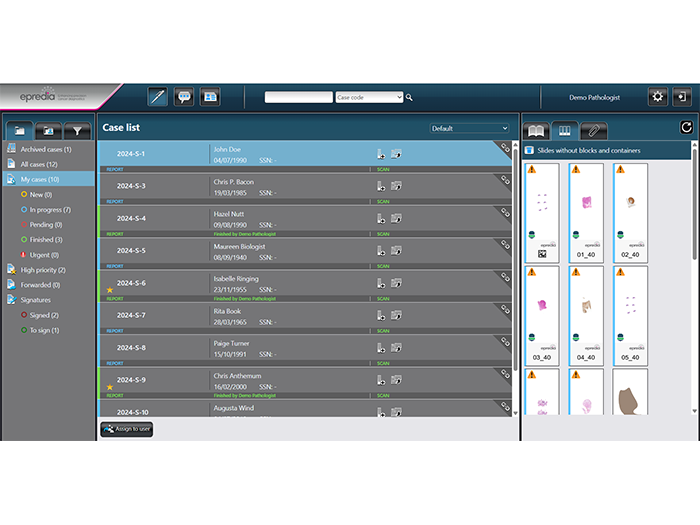
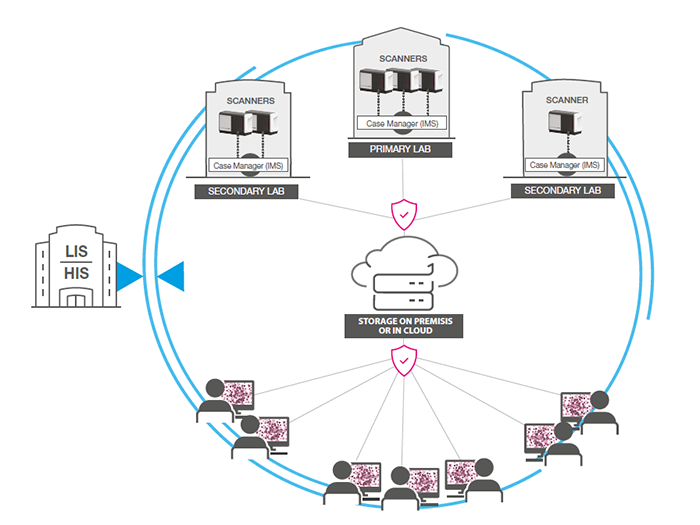
The Epredia E1000 Dx digital pathology solution is a comprehensive solution that compliments your existing workflow to help you capture high-quality whole slide images with your pathologists and lab staff in mind.
Overview
Maximize Throughput
- Helps Eliminate Downtime: Eliminates downtime between slides, as the instrument can immediately start scanning the next slide.
- Continuous Loading: Load slides on demand directly from your coverslipper and prioritize slides based on your workflow needs.
- Safety Container: Avoids scanning disruption by segmenting slides that need additional attention, while continuing the digitisation run.
Automated Quality Control
- Gain confidence that your workflow will not be interrupted due to poor quality images.
- Automated focus quality algorithm rescans slides with advanced settings if out-of-focus areas are detected.
- Remotely monitor your scanners throughput data and workload statistics.
- Email alerts throughout the scanning process for run completion and any errors.
MedTech Breakthrough Awards Winner
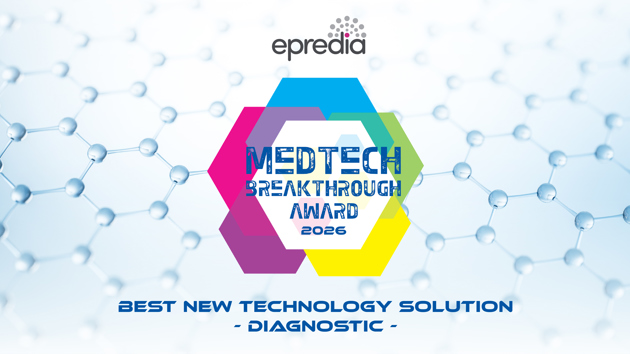
The Epredia E1000 Dx™ Digital Pathology Solution was awarded “Best New Diagnostic Technology Solution” in the 2026 MedTech Breakthrough Awards for its contribution to advancing digital pathology and modernizing cancer diagnostics workflows.
Resources
Brochures
Education
Explore recent articles

White Paper
Improving Lab Efficiency & Productivity: The Hidden Cost of Manual Slide Handling
This article names and quantifies the specific lab efficiency workflow costs that manual slide handling imposes, draws on published operational data to show where the time goes, and makes the case for why addressing these costs is not simply a capital expenditure argument.

White Paper
How High-Volume Pathology Labs Are Solving the Throughput Problem: Without Adding Headcount
This article describes what that architectural change looks like in high-volume lab environments, what the published evidence shows about where throughput gains come from, and what the specific scanner and workflow design choices are that determine whether a digital pathology deployment actually delivers the capacity improvement it promises.

White Paper
Staff Turnover in Pathology Labs: How Digital Pathology Reduces Training Burden and Dependency on Key Personnel
This article is for labs that still rely on glass slide workflows dependent on individual expertise, highlighting why the need to reduce that dependency is becoming increasingly urgent.
Products
| Product Number | Packaged As | Action |
|---|---|---|
| A85200002: E1000 Dx Digital Pathology Solution | E1000 Dx Scanner, E1000 Dx IMS, E1000 Dx Viewer, Barco MDPC-8127, 128 TB Server | Request a Quote |
Pricing
Request:
- Product Demo
- Product Quote
- Workflow Consultation
- Talk to an Expert